Our Curriculum

Our Curriculum

We use the International Early Year Curriculum (IEYC) and the UK-standards International Primary Curriculum (IPC) with a values-based approach to academic, physical, emotional, and social development.

EARLY YEARS

The International Early Years Curriculum

The International Early Years Curriculum launched in 2016 for children aged 2–5 years old. It is used by over 140 nurseries and early year settings, in 47 countries worldwide.
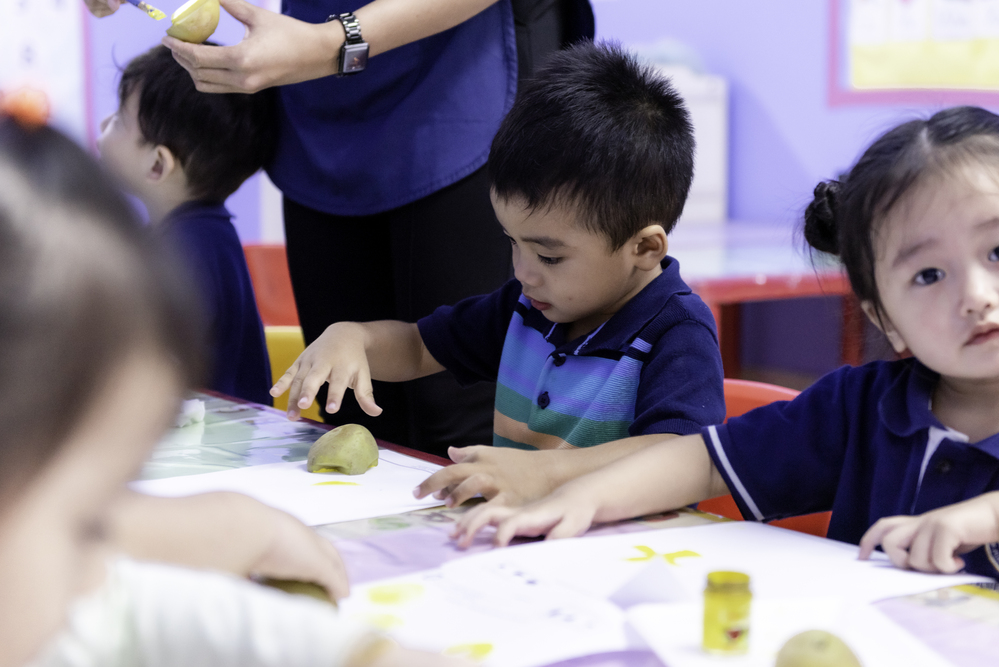
The IEYC uses international best practices, holistic inquiry and play-based approaches that cover all curriculum areas including personal, social and emotional development. The IEYC recognizes best practices and the developmental needs of early years education and enables teachers to embrace the interconnected nature of learning.

Contact Info

Toul Tompoung 

Building #251, St. 472 , Sangkat Toul Tom Poung I, Khan Chamkarmorn, Phnom Penh

(+855) 023 986 596/ 087 986 597/099 986 596
[email protected]

Mon – Sat 9:00A.M. – 5:00P.M.

Social Info

Contact Us

PRIMARY

INTERNATIONAL PRIMARY CURRICULUM

WHY Choose IPC?

The IPC uses an inquiry based approach to learning which provides “real-life” as well as role playing situations for students to gain practical and experiential knowledge intertwined with research and skills development.

We see each student as a unique individual with specific needs, goals, and dreams for the future. Students and teachers work in partnership to explore learning through a theme based approach. The IPC focuses on Knowledge (what we already know), Skills (concerned with abilities [I am able to]) and Understandings which are developed as we acquire new knowledge and skills. students.

SUBJECT GOALS

To help children learn the subject knowledge, skills and understanding they need to become aware of the world around them (adaptability, thoughtfulness).

PERSONAL GOALS

To help children develop the personal skills they need to take an active part in the world throughout their lives (resilient, self-motivated learners)

INTERNATIONAL LEARNING GOALS

To help children develop an international mindset alongside their awareness of their own nationality (global, moral, ethical, citizens) cycle.

TO DO EACH

To do each of these in ways which take into account up-to-date research on how children learn as well as how to encourage them to become life-long learners (enquiry, respect).

SECONDARY

OUR SECONDARY CURRICULUM

High School Curriculum

Our secondary program offers a cohesive, internationally benchmarked progression from Grade 7 to Grade 12, culminating in skills that are highly valued by universities around the world.

Whether your child aspires to be a doctor, data scientist, architect, entrepreneur, or global policymaker, our curriculum equips them with the knowledge, skills, and mindset to get there.

From Grade 7 to Grade 12, our Cambridge-aligned high school program provides not just a collection of subjects, but a coherent, internationally benchmarked educational journey.

It produces learners who are confident, responsible, reflective, innovative, and engaged—ready for success in university and life.

Thank you for considering our school. We look forward to supporting your child’s journey toward excellence.

Our Subjects

English (First Language / English Language / Advanced English)

We begin with English, the cornerstone of communication and critical thinking.

  1. In Grades 7 and 8, students study English as a First Language, developing core skills in reading, writing, speaking, and listening. They learn to infer, evaluate, and craft coherent arguments.

  2. In Grades 9 and 10, English First Language continues under the IGCSE syllabus, focusing on advanced comprehension, language analysis, and composition.

  3. At the AS and A Levels (Grades 11–12), students engage in English Language, where they analyse a range of written and spoken texts and craft original writing.

  4. We also offer Advanced English (Q Skills) to strengthen academic and research-based language skills, supporting success in all other subjects.

This vertical progression fosters confident, articulate communicators ready for university and beyond.

Mathematics (Extended / Mathematics AS & A Level)

Mathematics is central to logical thinking and problem-solving.
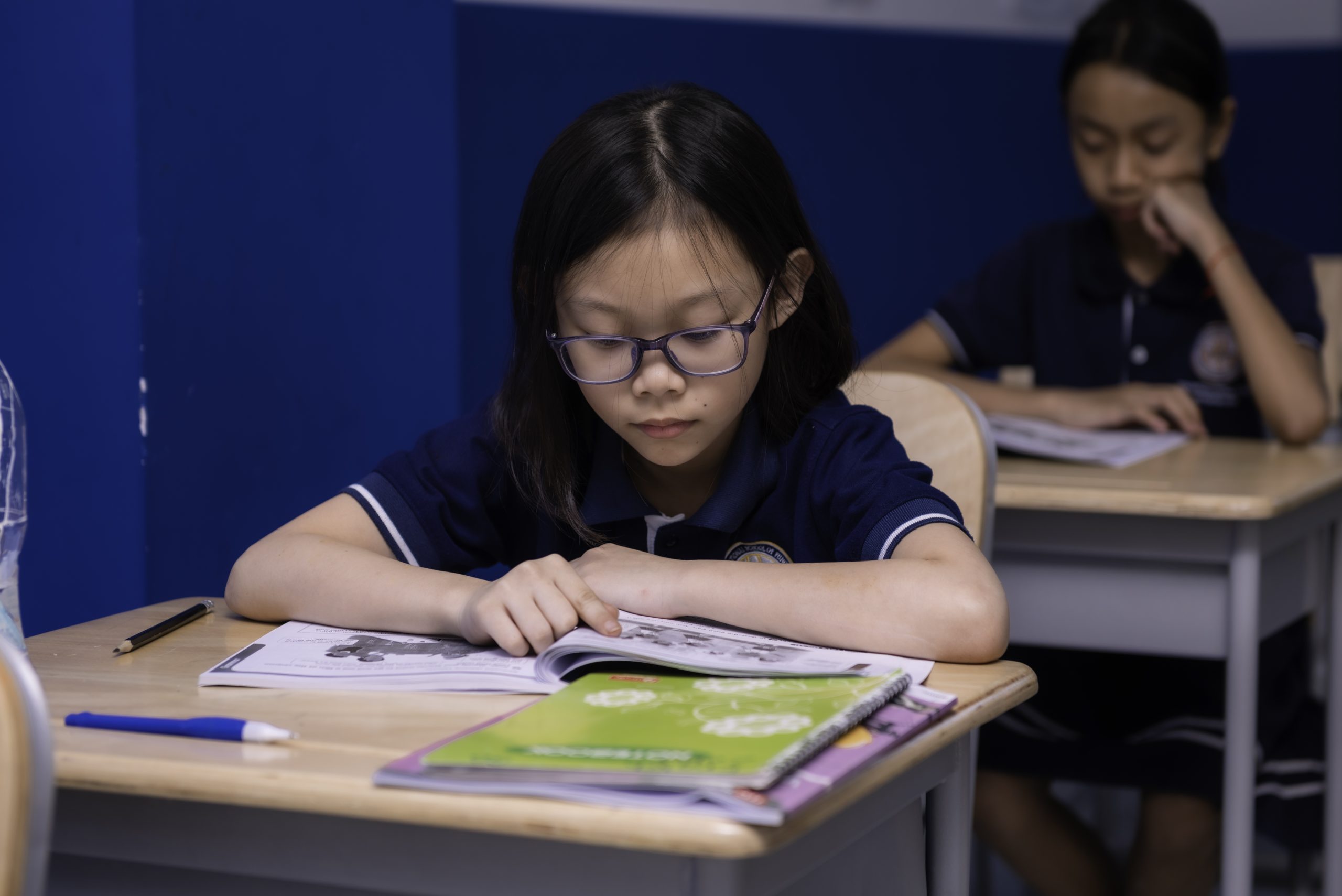
  1. In Grades 7 and 8, our students follow the Cambridge Lower Secondary Extended Mathematics, which prepares them for higher-level content.

  2. By Grades 9 and 10, they transition to IGCSE Extended Mathematics, where algebra, geometry, statistics, and trigonometry build a solid base for analytical thinking.

  3. In Grades 11 and 12, learners pursue AS and A Level Mathematics, diving deeper into pure mathematics, mechanics, and statistics—essential for STEM and business degrees.

This scaffolded approach ensures mathematical fluency and intellectual rigour.

Science (Integrated / Coordinated Science / Biology AS & A Level)

Science unlocks curiosity and global understanding.
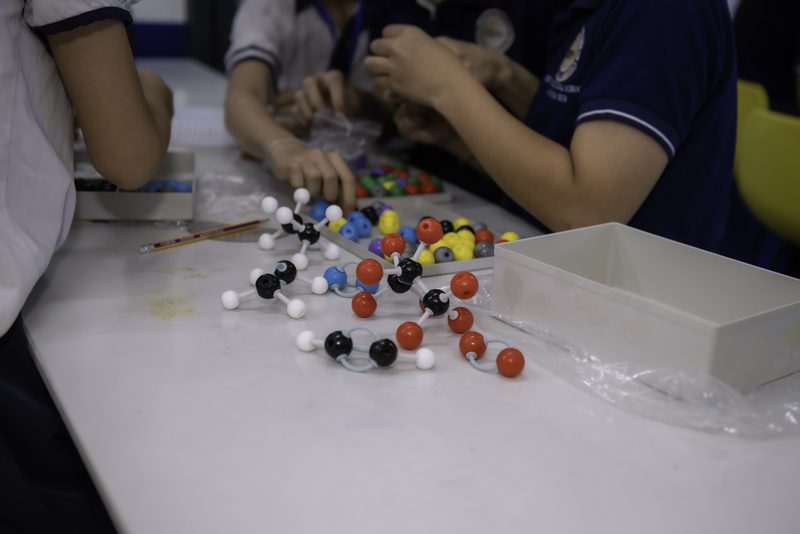
In Grades 7 and 8, we offer Integrated Science, covering foundational concepts in biology, chemistry, and physics through practical investigations and inquiry-based learning.
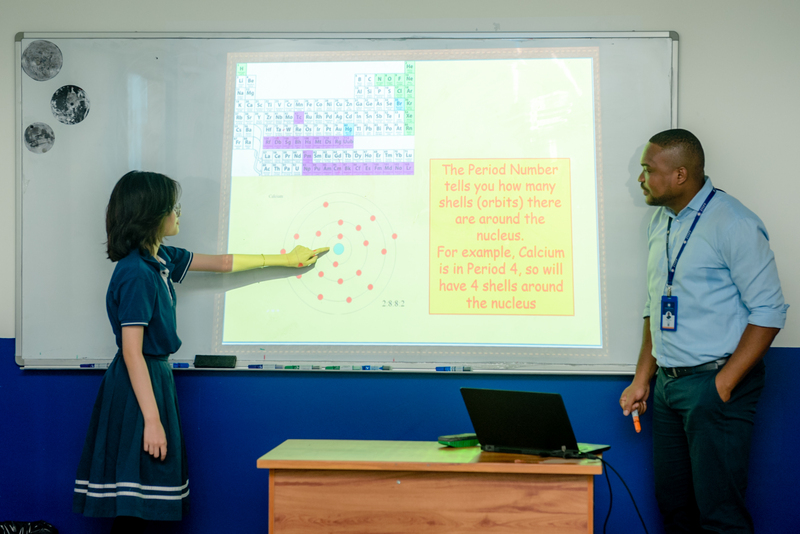
In Grades 9 and 10, students follow IGCSE Coordinated Science, a double award that expands scientific understanding and analytical lab skills across all three disciplines.
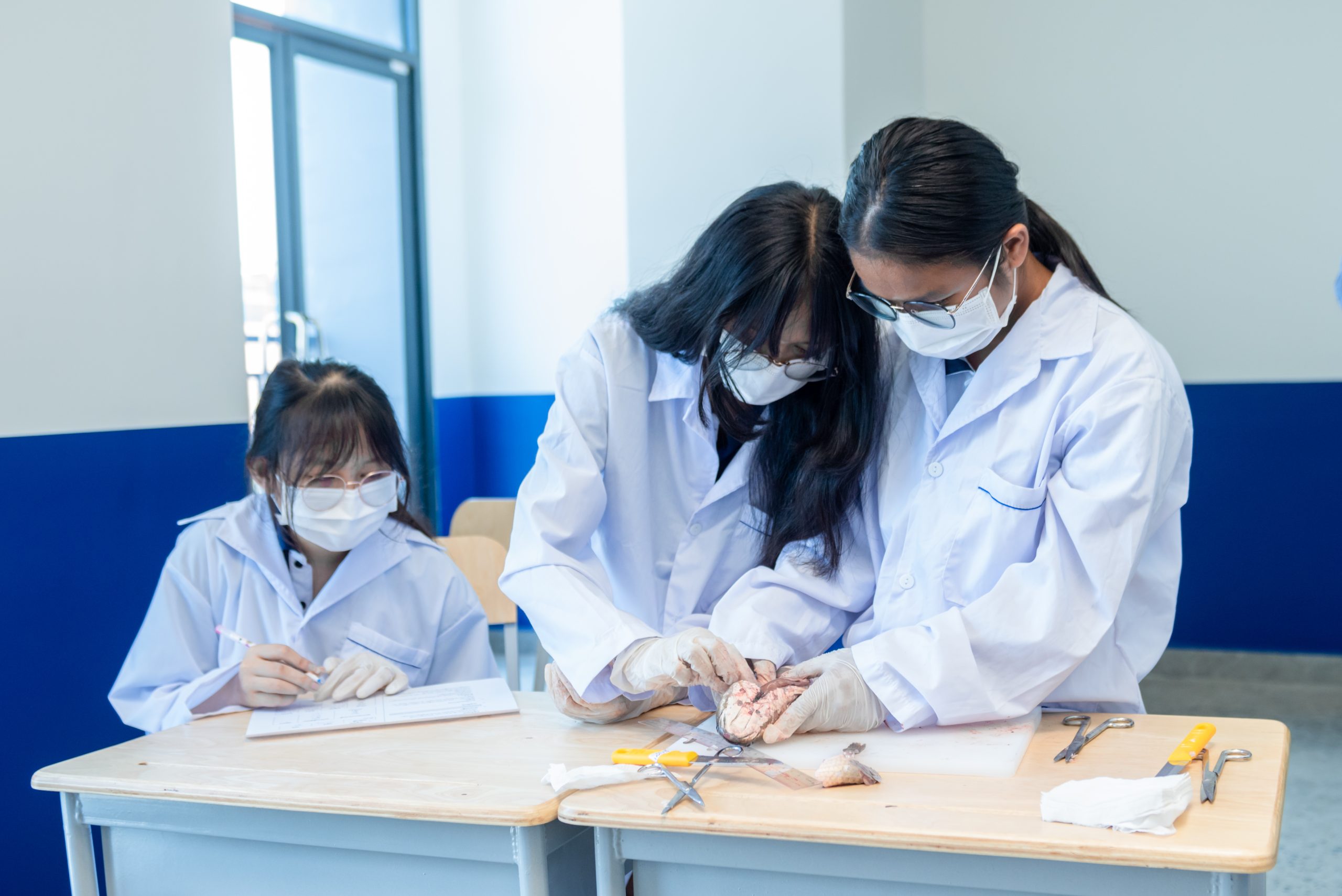
In Grades 11 and 12, we offer Biology at AS and A Level, with an in-depth study of cellular biology, genetics, ecology, and evolution. Students also build advanced practical and experimental skills—ideal preparation for medical, environmental, or bioscience pathways.
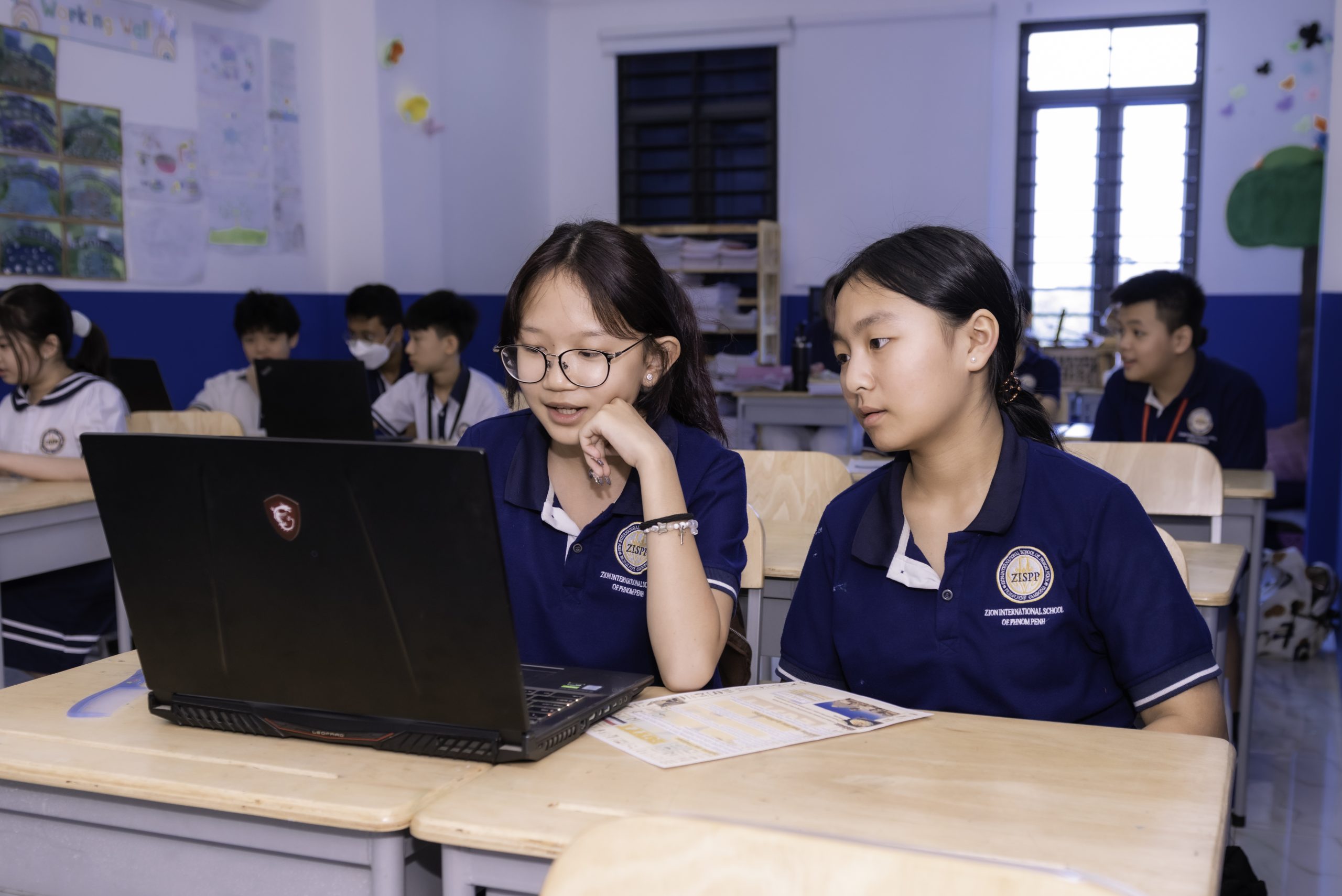
In Grades 9 and 10, they transition to ICT (Information and Communication Technology) under the IGCSE framework, mastering data handling, document design, and spreadsheet modelling.

Computing / ICT / Information Technology

Digital fluency is no longer optional—it’s essential.

In Grades 7 and 8, students take Computing, learning core programming logic, digital systems, and computational thinking.

By Grades 11 and 12, students specialize in AS and A Level Information Technology, exploring systems life cycles, database management, and coding with a focus on real-world problem-solving.

This progression nurtures adaptable, future-ready digital citizens.

Global Perspectives / Geography

Developing global awareness is one of the hallmarks of a Cambridge education.

  1. In Grades 7 and 8, learners take Global Perspectives, which fosters inquiry, collaboration, and reflection on global issues—from climate change to cultural identity.

  2. In Grade 9, Geography replaces Global Perspectives, focusing on physical and human geography, sustainability, and spatial skills.

  3. In Grade 10, learners will continue with IGCSE Global Perspectives, developing structured thinking, argument construction, and reflective journaling. This will be phased out and replaced by Geography in the following year.

  4. In Grades 11 and 12, students pursue Global Perspectives & Research (AS and A Level). Here, they critically examine global topics, conduct independent research, and write an extended essay—skills highly prized by top universities.

  5. Looking ahead at Geography after Global Perspectives, as Global Perspectives is phased out, Geography will take a more prominent role from Grade 9 onward. It will cover many of the same global themes—like sustainability, population, and climate—while offering a deeper academic structure. By Grades 11 and 12, Geography becomes a rigorous, analytical subject that prepares students for future studies in environmental science, global affairs, or urban planning.

Please note: While we continue to offer Global Perspectives at present, the subject will be gradually phased out after this cycle. For those currently enrolled, full progression will be honoured through Grade 12.

These subjects cultivate internationally minded thinkers, ready to lead in a complex world.

Business Studies (Grades 11–12)

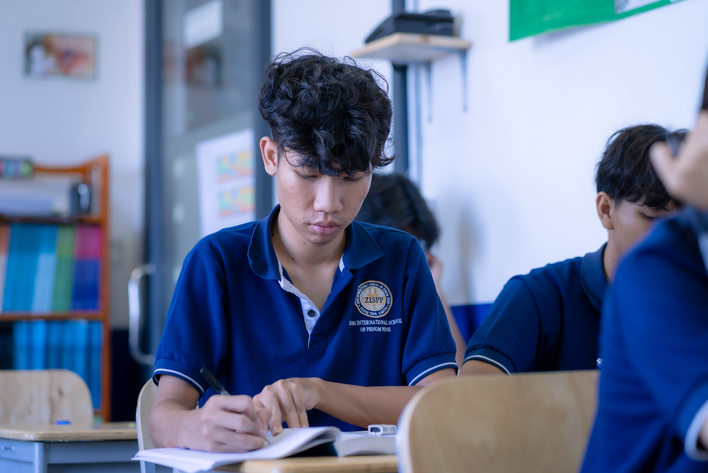
In Grades 11 and 12, we introduce Business Studies at AS and A Level. This subject equips students with strategic thinking, financial literacy, and an entrepreneurial mindset. They explore how businesses operate in global markets and how decisions impact stakeholders and society.
It’s an excellent springboard for careers in commerce, management, or innovation.

Physical Education (Grades 7–10)

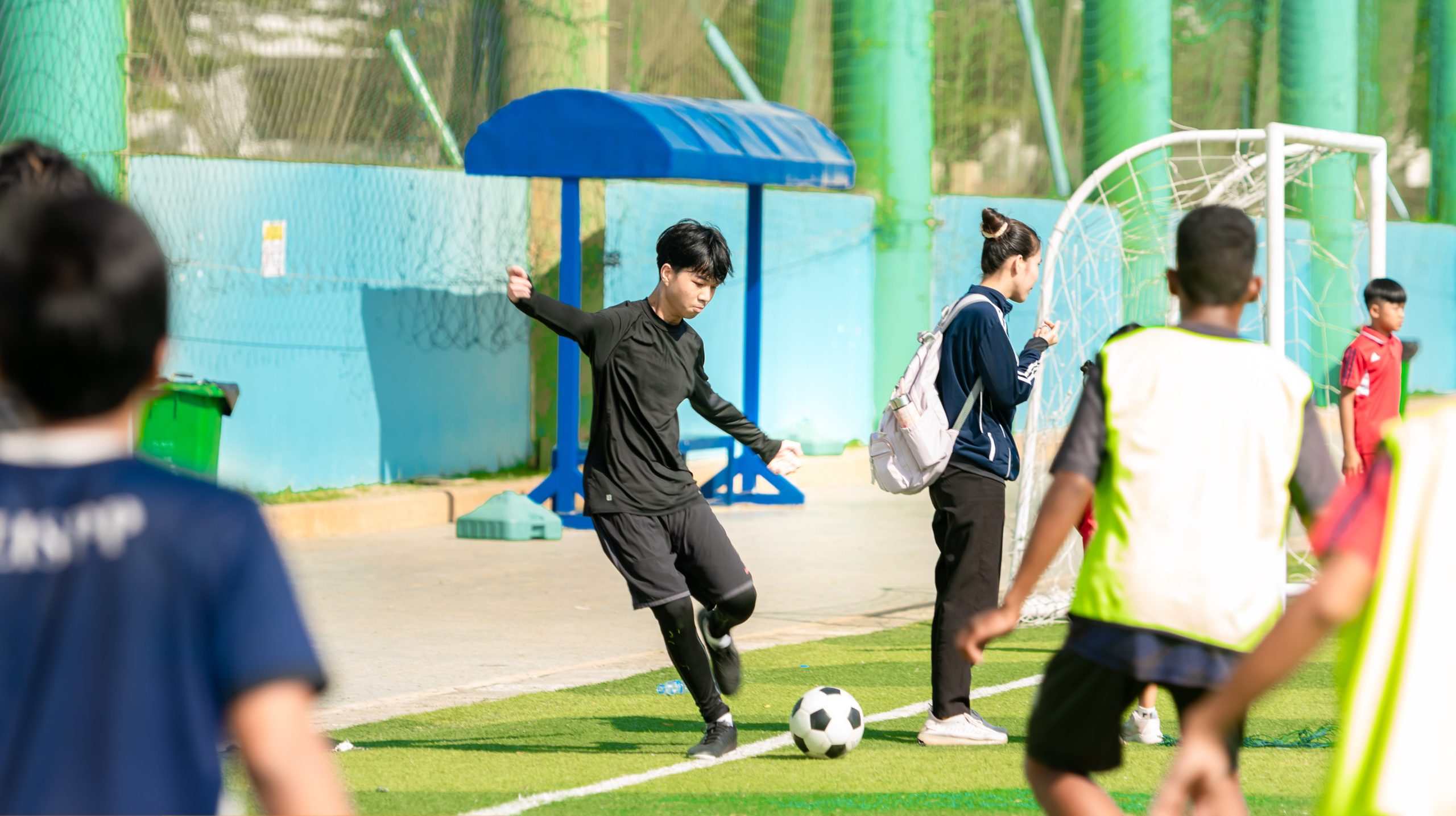
  • From Grades 7 to 10, students engage in PE to develop motor skills, fitness, leadership, and sportsmanship.

Although not part of the formal AS/A Level suite, we believe PE supports the holistic development that ZISPP aims to nurture.

While academics are essential, Physical Education helps build teamwork, resilience, and lifelong well-being.

Growing The Future One Child at a Time